Finding office space in New York can feel surprisingly complicated.
At first, the goal sounds simple: find a professional place where you and your team can work. Once you start comparing options, though, there are a lot more variables to consider. Location, lease terms, office size, furnishings, meeting rooms, privacy and building amenities can all make a major difference in the day-to-day experience.
For many businesses, the traditional commercial lease is no longer the only—or even the most practical—option.
Flexible private office space in NYC has become an attractive choice for companies that want the professionalism of a dedicated Manhattan office without taking on all of the responsibilities that come with operating one from scratch.
A private office is different from simply having access to a coworking space.
With a private office, you have an enclosed area specifically for yourself or your team. You aren’t sitting at an open desk surrounded by unrelated businesses throughout the day.
That distinction matters for companies that regularly handle confidential conversations, take client calls, hold internal meetings or simply prefer a quieter environment.
At the same time, choosing a private office within a flexible workspace can still give you access to shared amenities outside of your individual office.
That combination is appealing to a wide variety of businesses.
A consultant may need a professional place to meet clients. A startup may need space for five employees today but expect to hire several more over the next year. An established company may want a Manhattan satellite office without committing to a large traditional lease.
The right solution depends on how you actually plan to use the space.
In Manhattan, a few subway stops can have a meaningful impact on how convenient an office feels.
Consider where your employees are coming from, where your clients are located and how often visitors will need to reach the office.
A centrally located private office in Manhattan can make meetings easier and give a business access to several neighborhoods without forcing employees or clients into a difficult commute.
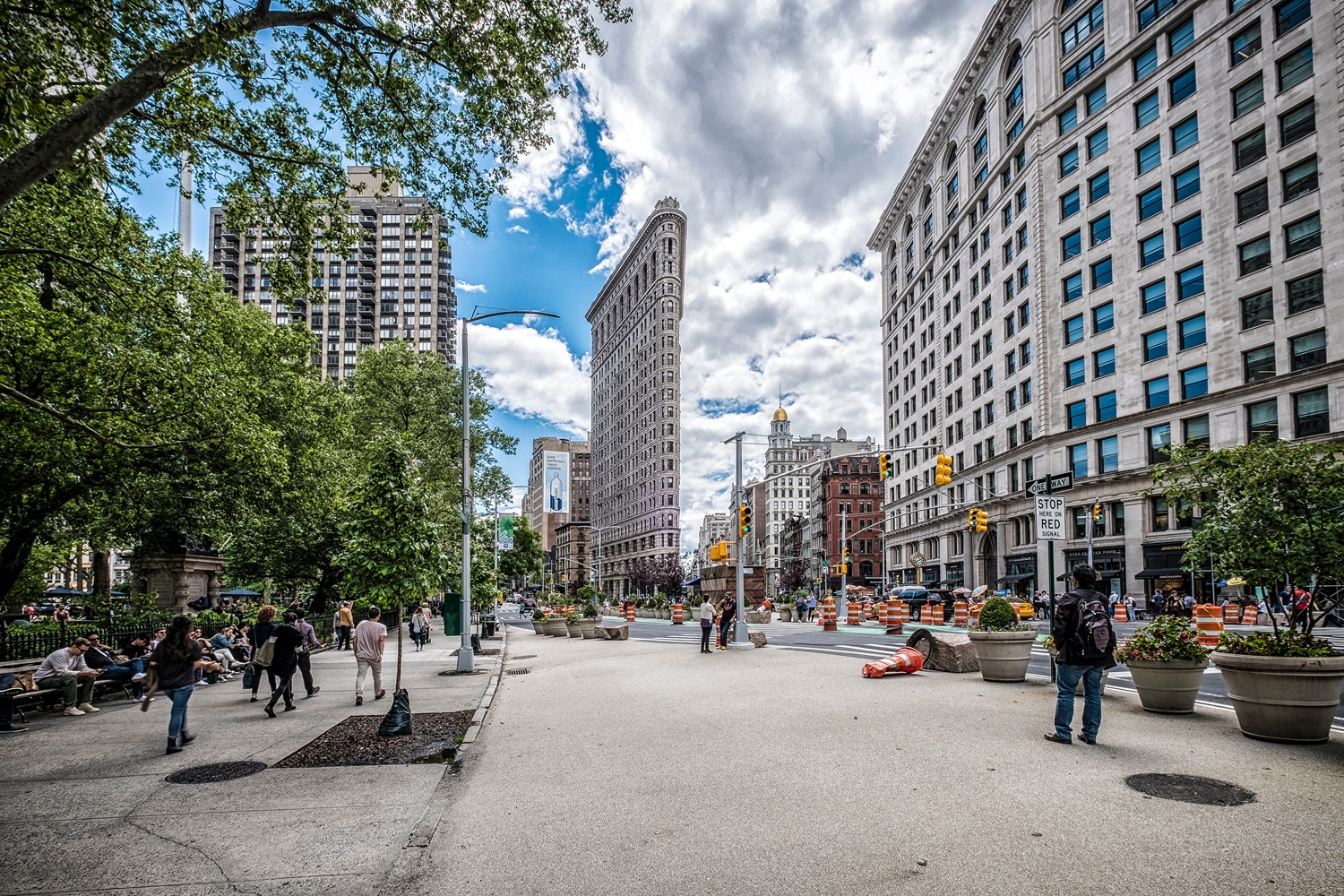
Areas around Park Avenue South, Flatiron, Madison Square Park, NoMad, Gramercy and Union Square are appealing because of their central location and access to transportation, restaurants and other businesses.
Location also affects perception.
If clients regularly visit your office, the building and surrounding neighborhood become part of the experience they associate with your company.
One mistake businesses sometimes make is comparing only the advertised monthly rent. A traditional office may appear less expensive until you start adding everything else.
Furniture has to be purchased. Internet needs to be installed. Utilities may be separate. Cleaning, maintenance and common-area expenses can add up. Depending on the space, you may also need to renovate or build out the office before anyone can comfortably work there.
That doesn’t necessarily make traditional leasing a bad choice. For larger companies with very specific requirements, it can make perfect sense.
But smaller and mid-sized businesses should compare the full cost of occupancy rather than just the base rent.
A furnished flexible office may simplify many of those expenses into a more predictable arrangement.
Businesses change quickly.
The office that feels perfect for four people today may feel crowded six months from now.
On the other hand, committing to a large office because you hope to grow can leave you paying for unused space.
That is one of the reasons flexible private offices have become popular.
They allow companies to choose space based more closely on their current requirements while maintaining the possibility of adjusting as the business changes.
This can be particularly useful for startups, professional-service companies, project teams and businesses establishing a presence in New York for the first time.
The individual office matters, but so does everything around it.
Ask yourself what happens when you need to meet with six people instead of two. Is there a conference room available?
What happens when a client arrives early? Is there a professional common area?
Can employees step outside the office and work somewhere else for a change of environment? These details can significantly affect whether an office works well in practice.
For a small team, access to shared meeting rooms can also eliminate the need to pay for a larger office simply to have a conference table that gets used a few times a month.
Remote work has made it possible to operate businesses from almost anywhere. But there are situations where a dedicated office still offers advantages.
Taking an important client call from a kitchen table isn’t always ideal. Conducting an interview from a noisy coffee shop can be distracting. Inviting a customer to a residential address may not create the impression you want.
A private office provides separation between work and home while giving the business a professional setting for employees and visitors.
For businesses that want flexibility without giving up privacy, this can be a useful middle ground.
Before choosing an office, think six to twelve months ahead.
You don’t need to predict every change your company will make, but it helps to consider a few questions.
Will you likely add employees? Will clients regularly visit the space? Will you need conference rooms? Do some employees work remotely and only come in occasionally? Will you need access outside normal business hours?
The answers may change which office option makes the most sense.
Le Parc Offices is located at 287 Park Avenue South, providing businesses with a central Manhattan location near Flatiron, Madison Square Park, NoMad, Gramercy and Union Square.
For businesses comparing private office space in NYC, the goal should be to find more than four walls and a desk.
Look for a workspace that fits the way your company operates today while giving you enough flexibility to adjust tomorrow.
A tour is often the best way to determine whether a space feels right. Photos and floor plans can help narrow down your options, but actually seeing the office, common areas and surrounding neighborhood gives you a much better sense of what working there would be like.
If you’re currently searching for a private office in Manhattan, Le Parc Offices can provide current workspace availability and help you explore which office options may best fit your team.
