
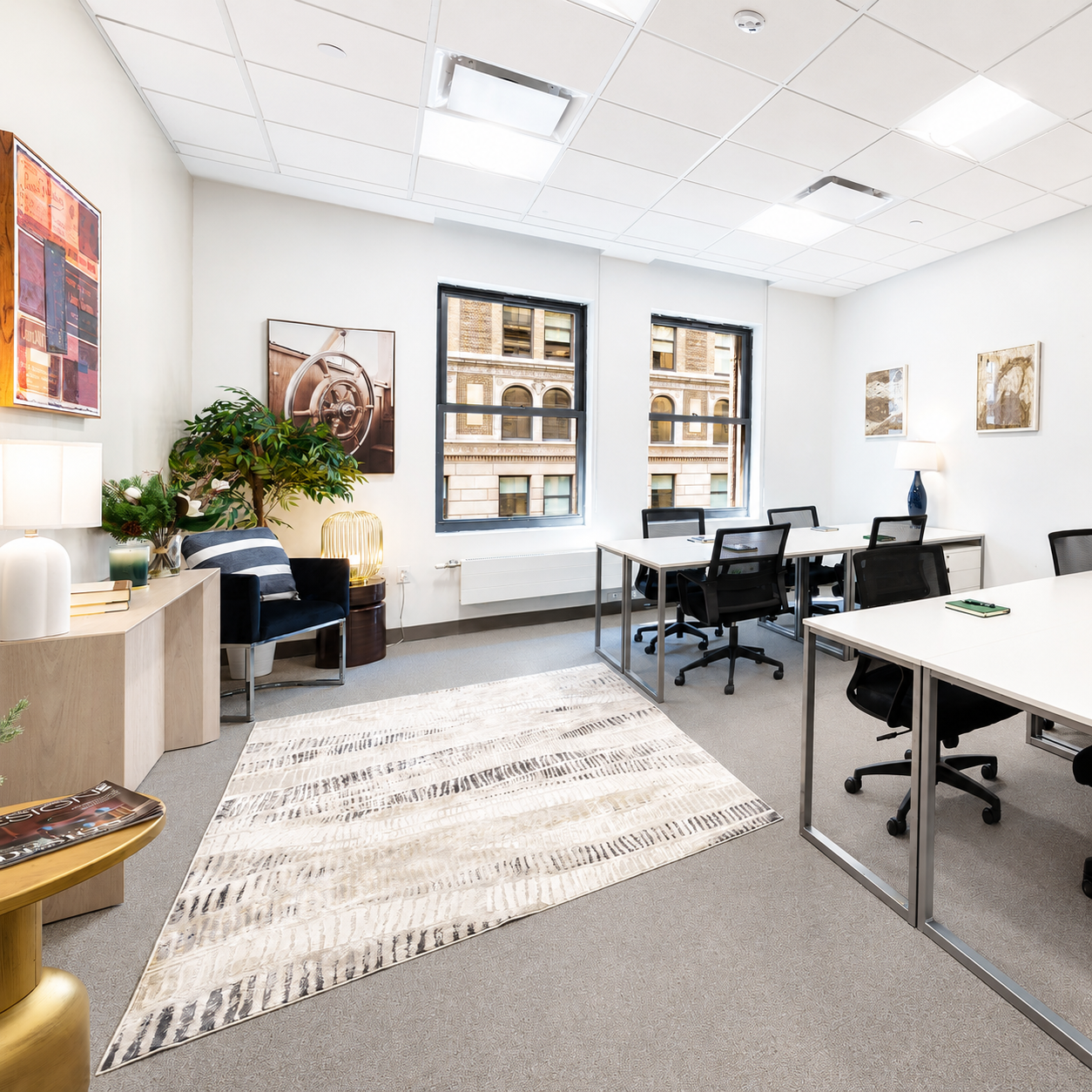
Businesses are no longer tied to traditional long-term office leases. Employees expect flexibility. Startups want room to grow without taking on unnecessary overhead. Established companies are looking for smarter ways to support hybrid teams.
As a result, coworking spaces in NYC continue to evolve far beyond rows of shared desks and free coffee.
Today’s flexible workspaces offer a mix of private offices, dedicated desks, meeting rooms, virtual office solutions, and hospitality-inspired amenities designed to meet the needs of modern businesses.
Whether you’re an entrepreneur, startup founder, remote worker, or growing company, understanding the latest coworking trends can help you find the right workspace for your team.
New York City has always been a hub for innovation, entrepreneurship, and business growth.
The rise of remote work accelerated demand for flexible office space in NYC, but the trend isn’t slowing down. In fact, many companies are discovering that flexible workspaces offer benefits that traditional office leases simply can’t match.
Instead of signing multi-year contracts and investing heavily in office buildouts, businesses can access fully furnished workspaces with predictable monthly costs.
For startups and growing companies, that flexibility can make a significant difference.
One of the biggest trends shaping coworking NYC in 2026 is the continued adoption of hybrid work models.
Many employees now split their time between home and the office. While remote work offers convenience, businesses are realizing that face-to-face collaboration still matters.
As a result, companies are looking for workspace solutions that support both flexibility and teamwork.
Rather than maintaining large corporate headquarters, many organizations are choosing flexible office space that allows employees to come together when needed while reducing overall real estate costs.
This approach gives businesses the best of both worlds.
One misconception about coworking spaces is that they only consist of open work areas.
Today’s coworking providers increasingly offer private offices that combine the benefits of flexibility with the privacy of a traditional office.
Growing businesses often reach a point where confidentiality, productivity, and professionalism become priorities.
Private offices provide dedicated space for:
Businesses can maintain their own workspace while still enjoying access to shared amenities.
Modern professionals expect more than a desk and an internet connection.
The most successful coworking spaces in Manhattan now focus heavily on amenities and overall experience.
Popular features include:
These amenities help businesses create a professional presence without the cost and complexity of managing their own office.
For startups and small businesses, that value can be substantial.
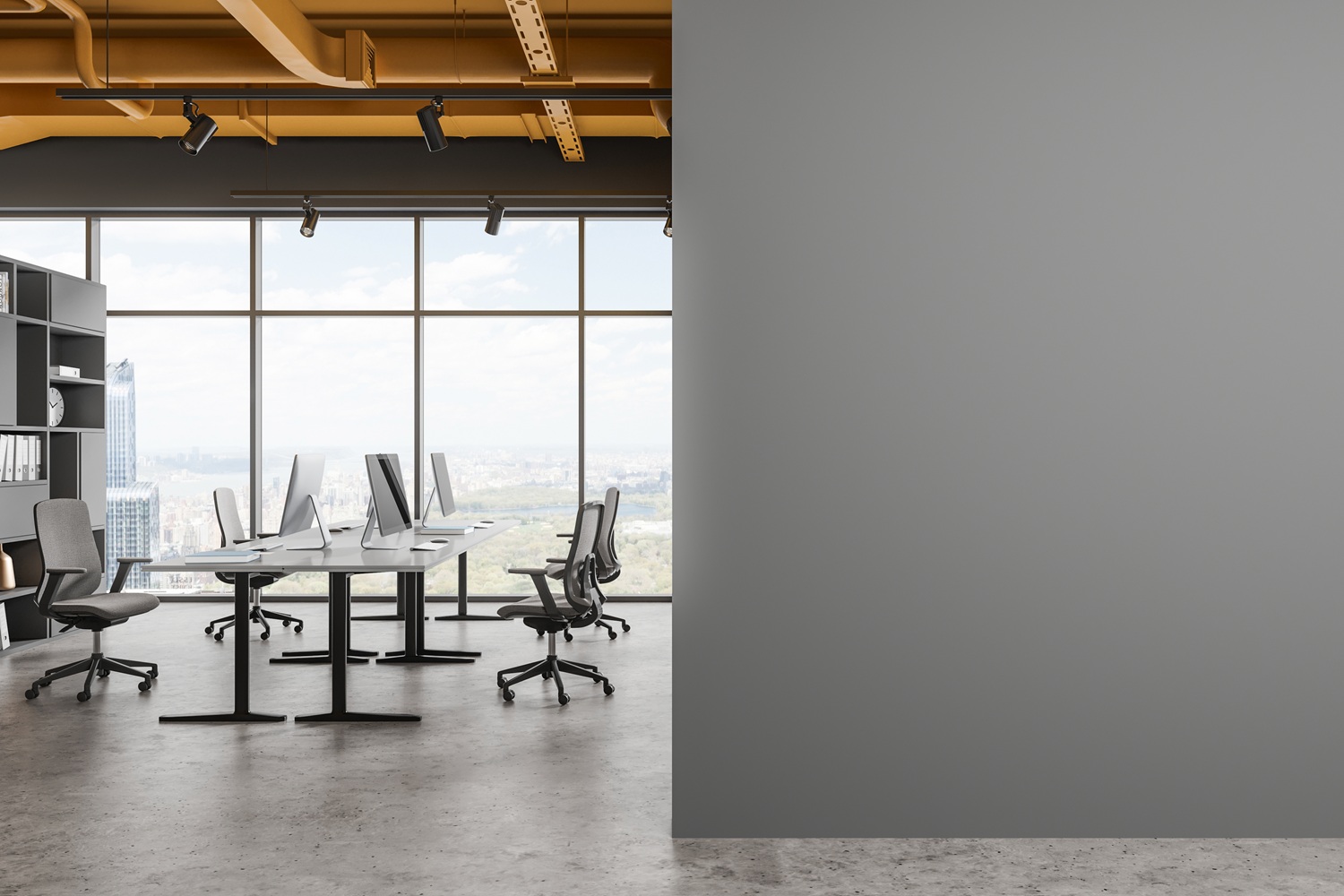
Another trend reshaping the coworking industry is the influence of hospitality.
Workspace providers are increasingly designing offices that feel more like boutique hotels than traditional corporate environments.
Comfortable lounges, thoughtfully designed common areas, premium furnishings, and concierge-style service are becoming standard expectations.
Employees spend a significant portion of their lives at work. Businesses are recognizing that workplace experience directly impacts morale, productivity, and employee retention.
Creating an environment where people actually enjoy coming to work has become a competitive advantage.
Employee wellbeing is now a major factor in workspace design. Businesses are paying closer attention to:
Workers want environments that support both productivity and health.
Many flexible office providers are responding by creating spaces that feel less stressful and more balanced than traditional office environments.
This shift is especially important in a fast-paced city like New York.
Technology continues to shape how businesses use office space.
Smart booking systems, secure access controls, high-speed connectivity, video conferencing capabilities, and AI-powered workplace tools are becoming increasingly common.
For businesses operating in hybrid environments, reliable technology is essential.
Flexible workspaces that invest in modern infrastructure help companies stay productive while adapting to changing work patterns.
While flexible work has expanded across the country, Manhattan continues to be one of the most desirable business locations in the world.
Access to clients, transportation, talent, investors, and business resources makes Manhattan an attractive destination for companies of every size.
Neighborhoods such as Flatiron, Union Square, Gramercy, and Midtown South remain particularly popular due to their central locations and vibrant business communities.
For businesses seeking a professional New York address, these areas continue to offer tremendous value.
One of the most interesting trends in 2026 is the rise of hybrid workspace strategies. Many businesses no longer rely on a single office solution.
Instead, they combine multiple options such as:
This approach allows companies to scale efficiently while maintaining a professional presence.
For example, a startup may use a virtual office for business mail, reserve meeting rooms for client presentations, and maintain a coworking membership for team collaboration.
The result is maximum flexibility with minimal overhead.
Not every coworking space is the same.
When evaluating options, businesses should consider:
The best workspace isn’t necessarily the cheapest option. It’s the one that supports your company’s goals today while allowing room for growth tomorrow.
Coworking has evolved from a niche concept into a core part of New York City’s business landscape.
As hybrid work continues to mature, businesses will increasingly seek flexible workspace solutions that combine convenience, professionalism, and scalability.
Whether you’re an entrepreneur launching a new venture, a remote professional seeking community, or a growing company looking for a private office, flexible workspaces provide options that traditional office leases often cannot.
At Le Parc Offices, businesses have access to private offices, dedicated desks, meeting rooms, virtual office memberships, and flexible workspace solutions in one of Manhattan’s most desirable business districts.
If you’re exploring coworking NYC options, scheduling a tour is the best way to experience the environment firsthand and discover which workspace solution is right for your business.
